
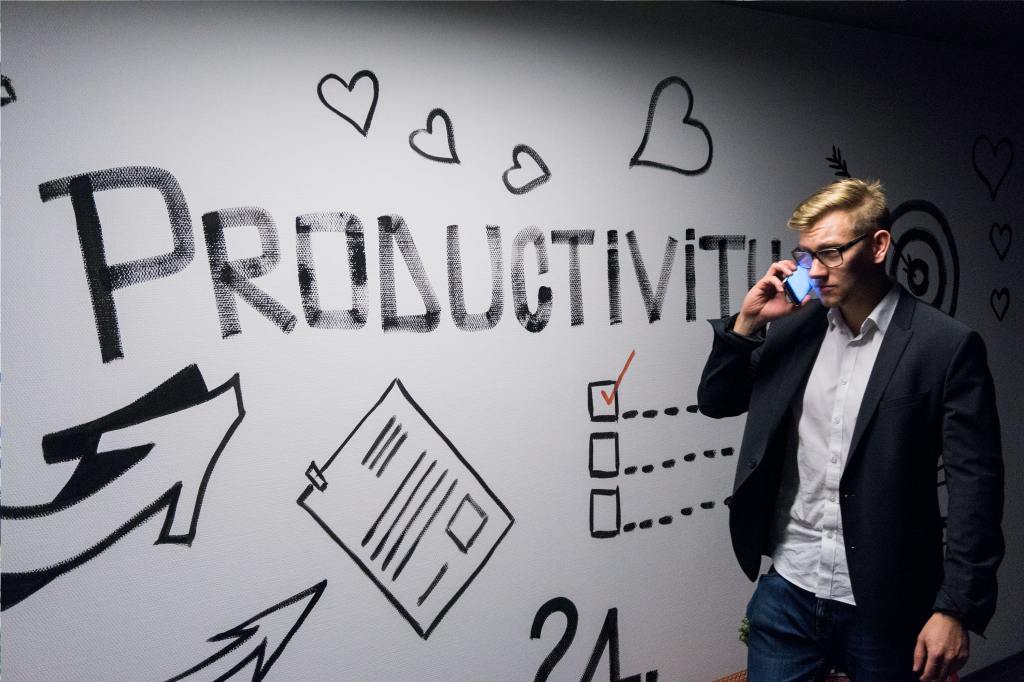
When working from home or in the office, sometimes our productivity can dwindle, this can be due to a number of reasons like distractions, not setting goals, tackling too much work at once or not having set deadlines.
How then, do top leaders keep productive with the amount of work set out in front of them and how can we implement those strategies in our own careers? Here are a few tips:
Planning ahead.
Planning your days and the tasks you need to accomplish within those days aids in productivity and can be an effective tool in managing time. This also helps establish deadlines. Knowing what tasks you’re set out to do the following day helps immensely in our productivity and ensuring we do high-value tasks among the mundane ones sets us up for consistent productivity daily. This helps us feel as though we’ve accomplished and achieved something, other than going through our days just doing the bare minimum of what’s expected.
Tackle the most difficult task first.
Putting the most difficult task on the back-burner could cause productivity to dwindle, doing the most difficult tasks earlier in the day when our energy is at it’s highest helps us concentrate on them better. This also sets a positive tone for the rest of the day, knowing we’d accomplished the more difficult tasks already.
Know yourself.
Some people are more productive earlier in the morning, others are more productive in the evening. Knowing when you’re at your most productive and scheduling your tasks around this could help you be more productive. Honestly assessing when you’re most likely to procrastinate will be beneficial to understanding where your productive moments lie.
Getting started is the hardest part.
Procrastination occurs when we think about starting a project but end up not doing it. Most of us are guilty of procrastinating at some point. This usually happens when we’re either worried about the enormity of a task or we’re not stimulated enough to do the task. A good rule of thumb is to start the task for just five minutes, getting over the hurdle of starting.
Distractions.
Distractions occur, whether we want them to or not. There are distractions that happen outside of our control, such as a colleague wanting to chat about a problem, or a phone-call from a client unrelated to the task you’re currently doing. However, there are distractions that we can control. Limiting the amount of time we spend checking emails, updating our social media status, or just scrolling down and looking at posts and tweets could positively impact our productivity. According to studies the average amount of time individuals spend on social media daily is 2-3 hours. Limiting that time could help us complete tasks and tackle procrastination.
Mind the Gap Solutions offers soft skills training with over 180 courses to choose from, including time management and self-leadership.
Get in touch with us or view our website to inquire.
 Mind The Gap Solutions